


If you’re new to the travel and hospitality industry or planning to take your business online, you’ve likely asked yourself, “What is an OTA?” This beginner’s guide will walk you through everything you need to know about online travel agencies, how they work, and their importance in the hotel industry.
What Are OTAs?
OTAs, or online travel agencies, are platforms that connect travelers with service providers like hotels, airlines, car rental companies, and tour operators. They act as an intermediary, making it easy for customers to book accommodations, flights, tours, and other travel services in one place.
Some of the most popular OTAs include:
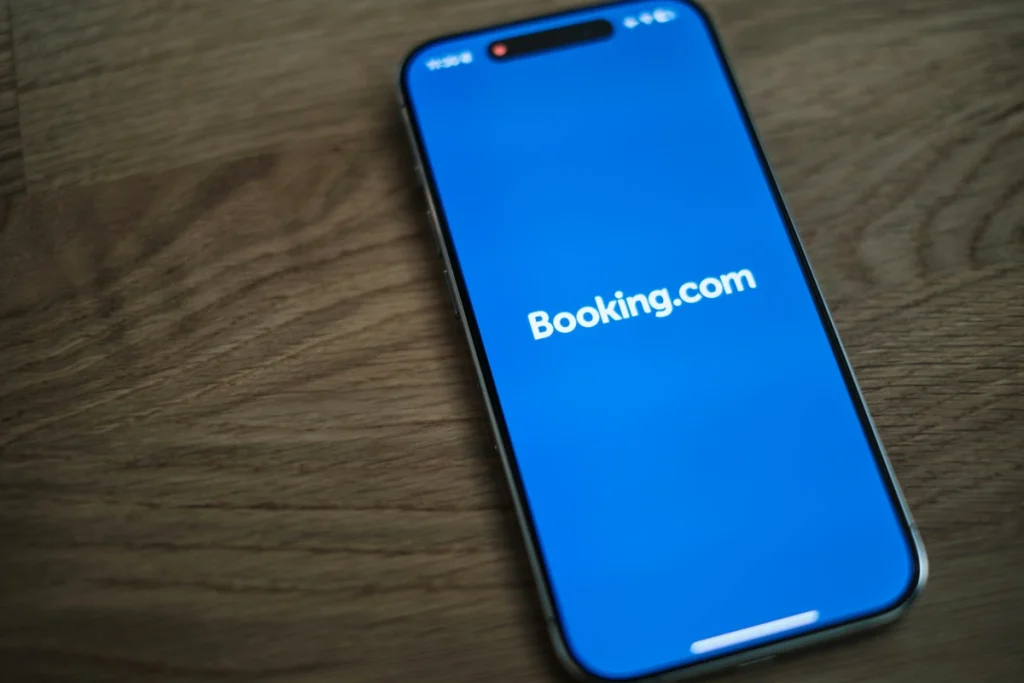
- Booking.com
- Expedia
- Agoda
- TripAdvisor
- Kayak
- Hotels.com
- Trips.com
- Skyscanner
For businesses in the hospitality industry, understanding the meaning of OTA and how these platforms work can be key to reaching a global audience.
How Do OTAs Work?
Here’s how the OTA process typically works:
- Listing: Service providers (hotels, airlines, etc.) list their offerings on the OTA platform, including photos, descriptions, and pricing.
- Search and Compare: Travelers use the platform to search for options, compare prices, and read reviews.
- Booking: Travelers make a booking through the online travel agency, which collects the payment.
- Commission: OTAs charge a commission (usually 10-25% of the booking value) to the service provider.
Why Are OTAs Important?
For beginners in the travel or hotel industry, understanding what are OTAs and their roles is crucial. Here’s why OTAs are essential:
- Global Reach: OTAs have millions of users worldwide, giving your business exposure to a vast audience.
- Convenience for Travelers: OTAs simplify travel planning by allowing users to book multiple services on one platform.
- Reviews Build Trust: Customer reviews on OTAs help build credibility and attract more bookings.
- Increased Occupancy: OTAs can help fill rooms or seats during low seasons, boosting your revenue.
Benefits of Using OTAs
For Travelers:
- Ease of Use: All services in one place – no need to visit multiple websites.
- Price Comparison: Tools to compare prices, ratings, and amenities.
- Transparency: Reviews and ratings help travelers make informed decisions.
- Exclusive Offers: Access to deals and discounts not always available directly.
For Businesses:
- Increased Bookings: OTAs provide a steady flow of bookings from a global audience.
- Marketing Support: They handle advertising and SEO, saving you time and money.
- Analytics and Insights: OTAs provide valuable data about traveler behavior and preferences.
Challenges of Using OTAs
While OTAs bring opportunities, they also come with challenges:
- High Commissions: The commission charged can cut into your profits.
- Dependence: Relying too heavily on OTAs can reduce your control over customer relationships.
- Price Competition: OTAs often promote the lowest prices, creating pressure to undercut competitors.
How to Succeed on OTAs
To make the most of OTAs, follow these tips:
Optimize Your Listings
- Use high-quality photos that highlight your property or service.
- Write detailed and engaging descriptions, including amenities and unique features.
- Update your availability and pricing regularly.
Encourage Positive Reviews
- Deliver excellent customer service to earn good reviews.
- Ask happy customers to leave feedback after their stay or experience.
Monitor and Adjust Pricing
- Use dynamic pricing strategies to stay competitive.
- Offer special deals during low seasons to attract more bookings.
Promote Your Direct Booking Options
- Use OTAs to attract new customers, but encourage repeat customers to book directly through your website.
- Offer perks like discounts, free upgrades, or flexible cancellation policies for direct bookings.
Balancing OTAs with Direct Bookings
OTAs are undeniably valuable for gaining visibility and driving bookings, especially for hotels looking to attract a wider audience. However, relying solely on OTAs can be costly and limit your ability to foster a direct relationship with your guests. To ensure long-term profitability and brand integrity, a balanced strategy that leverages both OTA listings and direct bookings is essential.
Check out our full guide on how to increase direct bookings here.
Benefits of Direct Bookings:
Reduce Costs and Increase Margins
By bypassing OTA commission fees (which can range from 10% to 25%), you retain more revenue for each booking. These savings can be reinvested into improving your property, guest experience, or marketing efforts.
Strengthen Customer Relationships
Direct bookings allow you to communicate directly with guests before, during, and after their stay. This fosters loyalty and creates opportunities for personalized service, enhancing the overall guest experience.
Preserve Brand Identity
OTAs control much of the branding and presentation of your property on their platform. Direct bookings enable you to showcase your brand exactly as you intend, including tailored messaging, unique promotions, and curated guest experiences.
Gain Full Access to Customer Data
Booking through your own channels provides access to valuable customer data, such as email addresses and preferences. This information is essential for building targeted marketing campaigns, loyalty programs, and re-engagement strategies.
Conclusion
What are OTAs? It’s a question every hospitality business owner should ask as they navigate the digital landscape. OTAs are essential tools for boosting online visibility and driving hotel bookings, but a well-rounded approach that balances the benefits of OTAs with the advantages of direct bookings is key to long-term success.
By understanding the meaning of OTAs and adopting strategies to maximize their benefits while promoting direct bookings, you can ensure profitability, build stronger customer relationships, and maintain control over your brand. Remember, the ultimate goal is not just to attract bookings but to create experiences that turn one-time visitors into loyal guests. With the right strategy, your business can thrive in the competitive world of online travel and hospitality.