



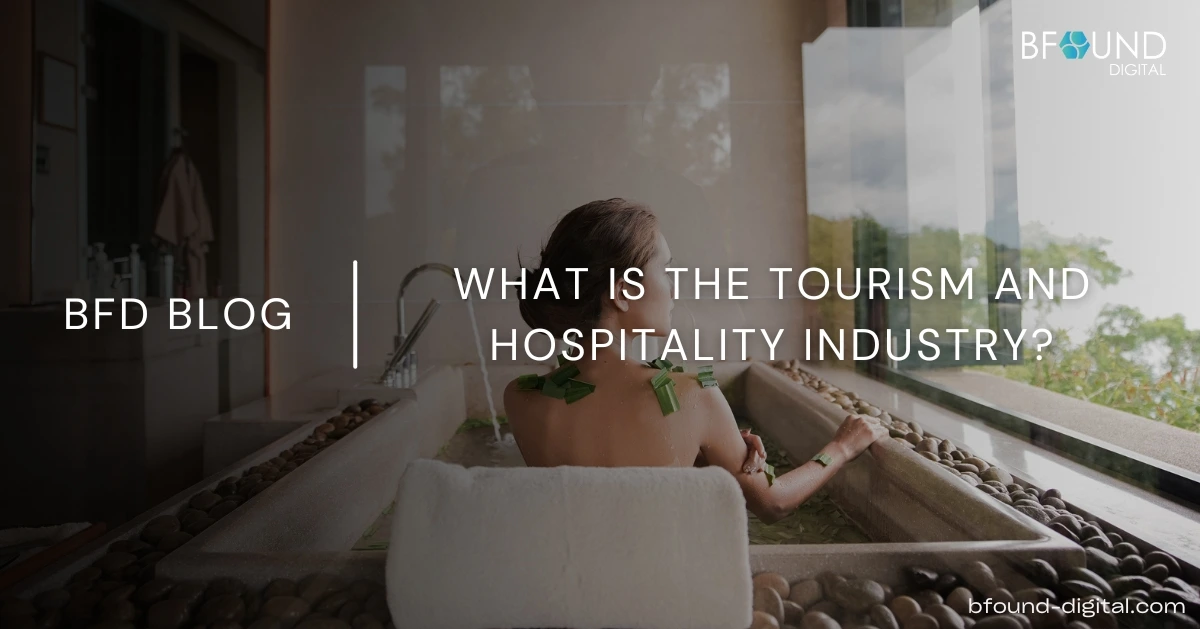
The tourism and hospitality industry is more than just travel—it’s about creating unforgettable experiences, connecting cultures, and driving economies. Whether it’s a weekend getaway, a business trip, or a bucket-list adventure, this industry shapes the way people explore the world and how destinations welcome their guests. Let’s explore the definition, components, and importance of the tourism and hospitality industry and uncover the trends shaping its future.
What is the Difference Between Hospitality and Tourism?
If you’ve ever asked, “What is hospitality and tourism?” you’re not alone—they’re closely connected, but not quite the same. Let’s break it down:
The meaning of Tourism
Tourism is all about the journey—exploring new places, cultures, and activities. It comes in many forms:
- Leisure tourism: Relaxation, sightseeing, and vacationing.
- Business tourism: Corporate travel and meetings.
- Cultural tourism: Exploring heritage, art, and traditions.
- Adventure tourism: Thrill-seeking activities like trekking or scuba diving.
Tourists and travelers drive the demand for services, creating opportunities for destinations and businesses to thrive.
The meaning of Hospitality
Hospitality is the art of making people feel welcome. Its pillars include:
- Accommodation: Hotels, resorts, and boutique stays.
- Food and Beverage: Restaurants, cafes, and bars that elevate dining experiences.
- Customer Service: Personal interactions that ensure guests feel valued.
Exceptional guest experiences are at the heart of hospitality, turning travelers into lifelong customers.
So, the difference between hospitality and tourism, Hospitality is all about the services that enhance a traveler’s experience, while tourism encompasses the overall adventure and exploration.
Breaking Down the Industry: What Does It Include?
The tourism and hospitality industry is like a finely tuned orchestra, with various components working together harmoniously to create a seamless experience for travelers. Here’s what it includes:
- Accommodations: Hotels, resorts, boutique stays, and even unique lodgings like treehouses or glamping sites.
- Food and Beverage: From Michelin-starred restaurants to cozy coffee shops, this sector caters to every taste and craving.
- Travel and Transportation: Planes, cruise ships, trains, and even bike rentals get travelers where they need to go.
- Recreation and Activities: Think guided tours, wildlife safaris, cultural festivals, or adrenaline-pumping adventures.
- Tourism Services: Behind-the-scenes heroes like travel agencies, tour operators, and online booking platforms keep the industry humming.
Each of these elements contributes to what makes the meaning of hospitality and tourism so rich and diverse.
How Hospitality and Tourism Work Together
Here’s a fun fact: The tourism and hospitality industry contributes over 11% of Thailand GDP in 2019 and provides and employs more than 7 million people (20% of total employment). But its value isn’t just about economics—it’s about connection. (Information form Revitalising Thailand’s tourism sector from Bank of Thailand’s report)
Think of hospitality and tourism as two sides of the same coin. Tourism brings people to exciting destinations, while hospitality ensures they feel cared for once they arrive. Without great hospitality, even the most beautiful places can feel unwelcoming. And without tourism, there would be no guests to serve.
For businesses, understanding this synergy is critical. It’s about blending excellent service with destination marketing to create experiences that travelers rave about.
For example:
- A traveler visiting Paris depends on transportation (tourism) and enjoys their stay through accommodations and dining (hospitality).
- A safari in Kenya combines adventure tourism with the hospitality of a luxury lodge.
Together, these industries create a symbiotic relationship, enhancing the traveler’s journey from start to finish.
Trends Shaping the Future of Hospitality and Tourism
The industry is constantly evolving to meet travelers’ expectations. Here are some trends making waves:
- Sustainable Tourism: Travelers are choosing eco-friendly options, from green hotels to ethical tours.
- Personalized Experiences: Guests love services tailored just for them, whether it’s a curated city tour or a custom spa package.
- Tech Integration: Online bookings, virtual tours, and AI-powered customer service are transforming the guest experience.
- Wellness Tourism: Spas, yoga retreats, and wellness-focused trips are gaining popularity among health-conscious travelers.
For businesses, keeping up with these hotel trends isn’t optional—it’s essential for staying competitive in the hospitality and tourism industry.
And of course, this massive industry also faces challenges. From the impact of climate change to the shifting demands of modern travelers, staying relevant means being adaptable. And that’s where digital marketing can make all the difference.
Digital Marketing: The Game-Changer for Hospitality Businesses
Let’s face it: we’re living in a digital-first world. When was the last time you planned a trip without checking reviews online or scrolling through Instagram for travel inspiration? Probably never. For tourism and hospitality businesses, this shift to digital is both an opportunity and a necessity. Here’s how the right hospitality digital marketing strategy can transform your business:
- Visibility: SEO and Google Ads ensure your hotel or restaurant is the first stop for potential guests searching online.
- Engagement: Social media platforms like Instagram and Facebook create opportunities to showcase your brand’s personality and connect with your audience.
- Direct Bookings: Tools like meta search optimization and retargeting campaigns drive customers straight to your website, bypassing the need for costly third-party commissions.
- Personalization: Digital campaigns allow businesses to tailor their messages to specific audiences, creating a more meaningful connection with travelers.
Want to dive deeper? Explore our blog on What is Hospitality Marketing to discover how businesses create impactful guest experiences and drive success in the tourism and hospitality industry.
Wrapping It Up: Why This Industry Matters
So, what is hospitality and tourism? It’s more than just travel—it’s about creating connections, enhancing guest experiences, and driving local and global economies. By understanding the meaning of hospitality and tourism and the interplay between the two, it’s clear how vital this industry is to fostering cultural exchange, preserving traditions, and creating unforgettable memories.
Whether you’re planning a trip, working in the industry, or just curious, understanding what is the difference between hospitality and tourism offers valuable insights into how this dynamic sector continues to shape the way we travel and experience the world.